















Oglesby & Butler
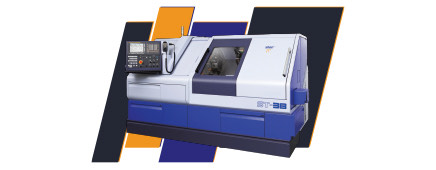
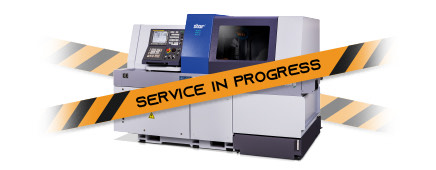
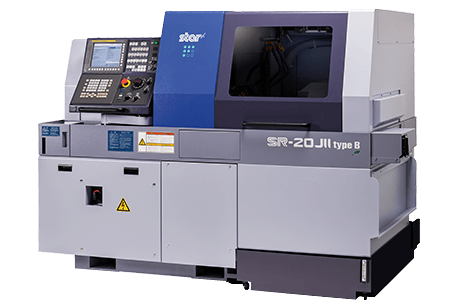
Heated hand tool producer, Oglesby & Butler, installed its first Star SR-20 sliding-head lathe at its Carlow factory in the Republic of Ireland in 1993. Apart from over a few days every Christmas, the machine has worked continuously ever since, yet it is still holds ± 10 microns on gas-tight seals for vapourisers.
These unusual products are marketed as a healthier way to enjoy tobacco. They heat the leaf to a much lower temperature than when it is smoked conventionally in a cigarette, cigar or pipe, allowing nicotine to be extracted while not actually burning the tobacco.
O&B's engineering director, Michael Griffin, calculates that of the 158,000 hours that the SR-20 could have worked, it actually achieved 150,000 hours, an uptime of 95 per cent.
He said that the original plan was to replace their Star sliders regularly with newer models to keep the plant list updated and to take advantage of modern technology features as they came along. As time went on, however, this approach was considered unnecessary as the early Stars remained so productive and accurate.
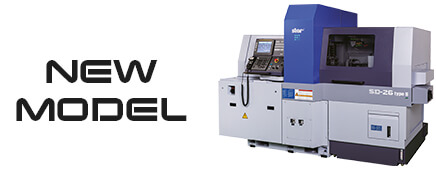
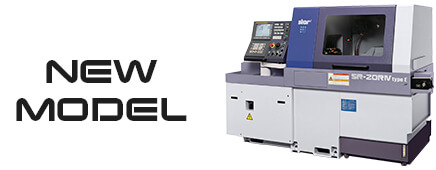
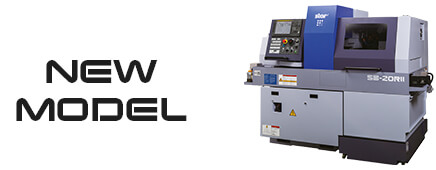
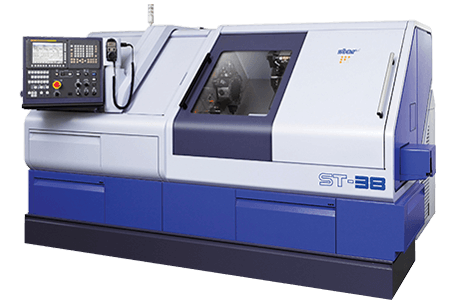
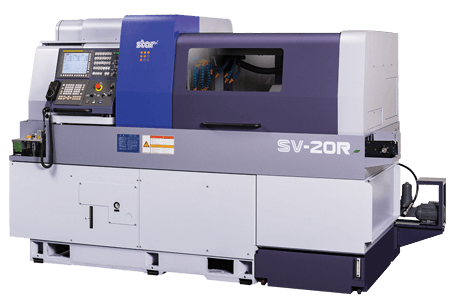
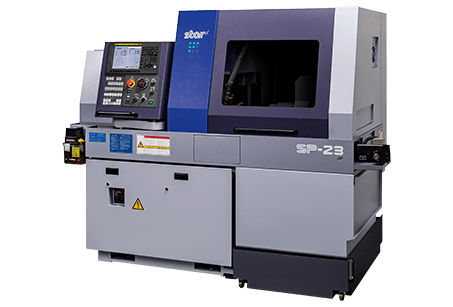
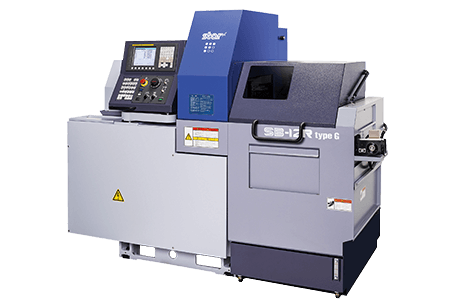
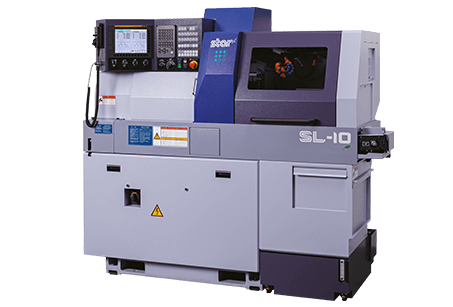
In 2009 and 2010, to cope with increased demand for its core products – soldering irons, blow torches and removal tools for calves horns – O&B bought three additional, modern versions of the SR-20, bringing the total number of Star lathes on site to eight.
Mike Griffin said, "The latest SR-20RIIIs mill-turn parts 10 to 15 per cent faster than an SR-20RII we bought in 2008, which in turn was 30 per cent quicker than the original SR-20. The increase in speed has been phenomenal.
"Machine specification has improved steadily over the years in terms of spindle speed, cutting feed rate, rapids, number of tools available and power of the driven stations. Accuracy is better too – we chase a couple of microns on our newer machines for some jobs.
"In addition, the latest RIII models have software in their Fanuc-based controls that automatically optimises each new program after we have written it, before the first batch is run.
"It does this in minutes by removing unwanted lines of code, balancing front and rear working operations in the main and counter spindles, and shortening the movements of the tool carriers where possible."
Back in the early 90s, O&B took advantage of Star CNC bar auto's to bring in-house the production of complex, high-added-value components that it was subcontracting. Many components were redesigned to suit the new machines' capabilities, reducing machining costs and in some cases lowering or even eliminating assembly costs by allowing rationalisation of the number of components used. Without the availability of such advanced production machines and the opportunity to evaluate their capabilities, the design enhancements would not have been possible.
Having the Stars to carry out prototype work has also allowed O&B to design new products more efficiently. If the lathes were not available to reduce manufacturing costs and lower a product's selling price to below that of the competition, some hand tools could never have been brought to market. In one instance, the company achieved a staggering 20 per cent price advantage over a Japanese rival's equivalent product.
The Stars are manned for 39 hours a week, which means that they are run unattended for more than three quarters of the time. Batch runs are typically 20,000 to 30,000-off, equivalent to about a week's production, and setting up each machine and bar magazine for the most complex repeat job takes a just couple of hours. Some components have up to 70 per cent of their total cycles taken up by driven tool work such as milling, drilling, tapping, end slotting, and knurling, etc. There are few parts that need only turning operations.
"Star lathes still hold microns after 18 years working 24/7, with an uptime of 95%"
Michael Griffin - Engineering Director
Download PDF
Back To Testimonials