
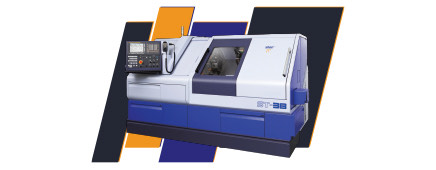
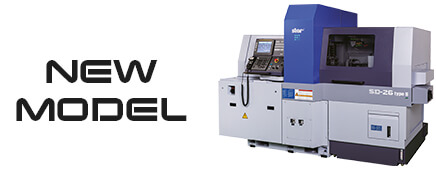
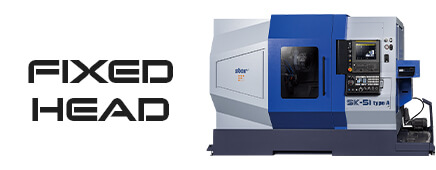

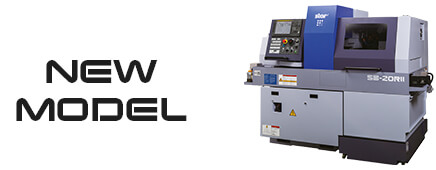
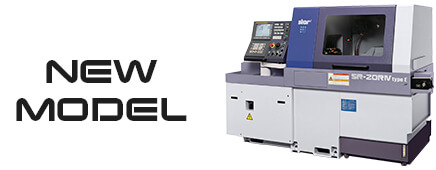
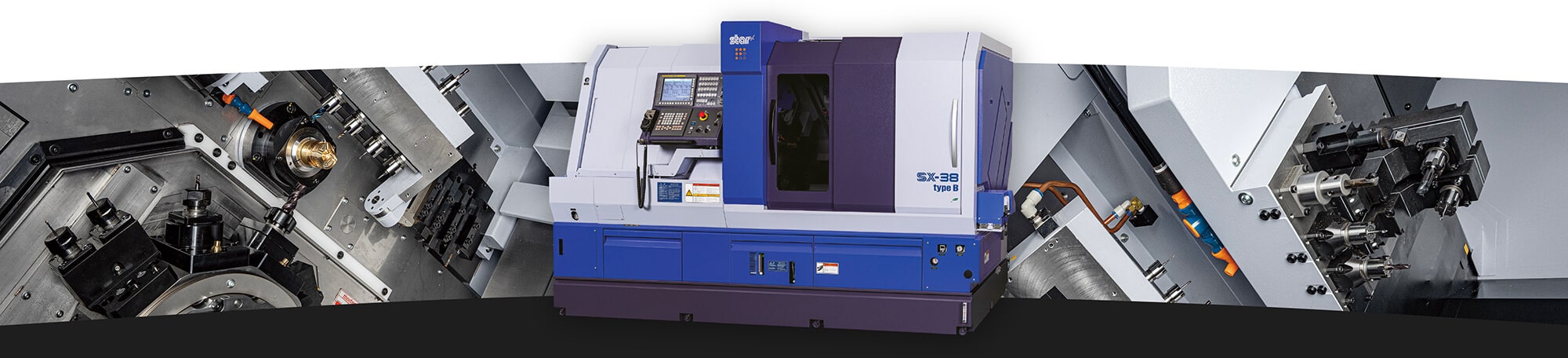
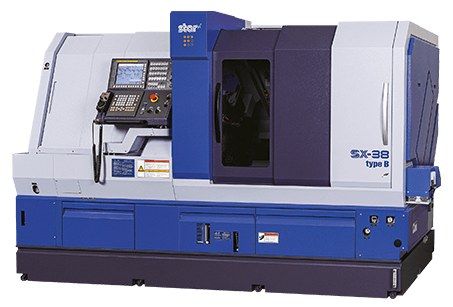
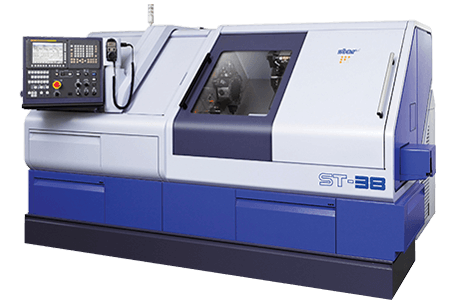
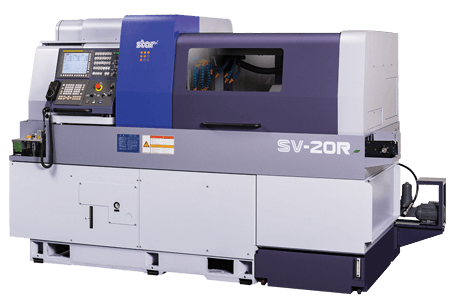
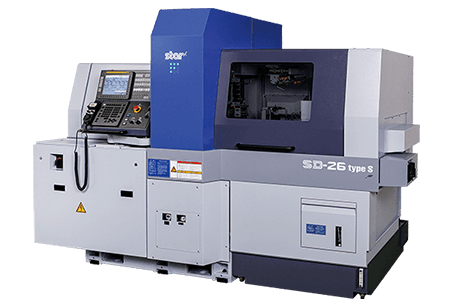
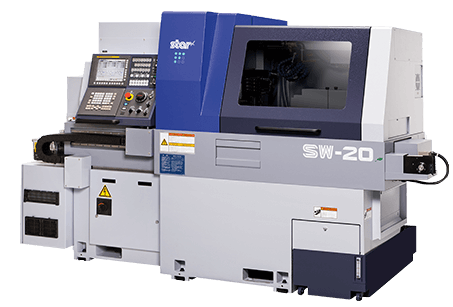
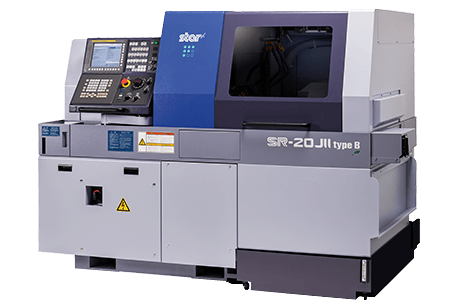
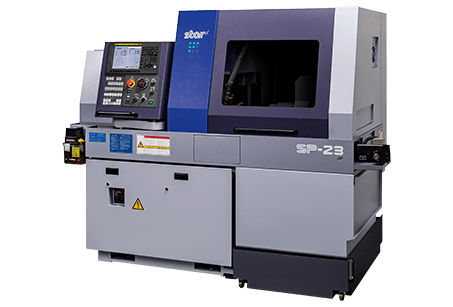
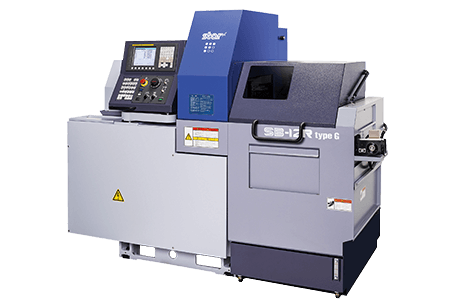
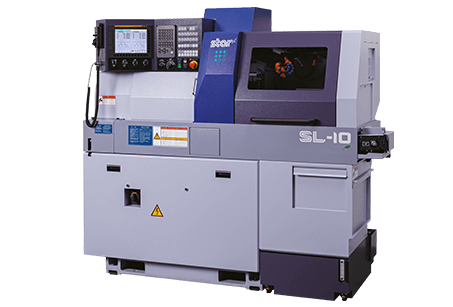
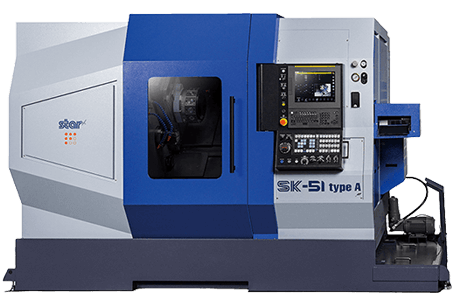















An additional three CNC sliding head lathe mill-turning centres from Star GB were installed during November 2010 on the shop floor at Harwin plc. They increased the Portsmouth connector manufacturer's total of Star lathes to16, allowing the company to bring in-house more of its subcontracted turned parts manufacture.
Paul McGuinness, a director of the company, said "We are buying in 70 per cent of our turned components at cost of around £750,000 a year, which is a lot considering their small size.
"We are keen to manufacture more ourselves, not least because now that we are emerging from recession, subcontractors are starting to put up their prices and extend lead times."
Bringing turned parts manufacture in-house also gives Harwin greater control over traceability of components used in its connectors. This is particularly a consideration when supplying the medical sector and some other industries.
Nevertheless, the company will always rely on the flexibility of subcontracting a large proportion of its turned parts manufacture. It means that all of the sliding-head lathes at Portsmouth can be kept busy around the clock during quiet times, with the overflow during busier periods produced externally.
Mr McGuinness pointed out that a noticeable change in recent years has been a reduction in the quantities of connectors being ordered by customers. Whereas in the past, batch sizes of 500,000 was not unusual, today 100,000 is a large batch and quantities can be as low as 2,500-off. This is a result of specials becoming more common and customers being less willing to hold stock. A run of 50,000-plus is needed to justify resetting a cam machine.
To make smaller runs economical on a CNC lathe, especially when cycle times can be as short as 10 seconds, it is important to be able to set the machine quickly. The Stars provide just that capability, according to Mr McGuinness, as set-up takes only one to two hours for a complete changeover.
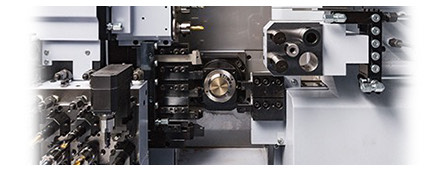
However, with space for so many static and driven tools in the working area and by standardising on a few bar sizes, set-up can be as quick as 15 minutes if the bar and tools are unchanged and a program simply needs editing at the Fanuc control.
"Reliability and repeatability of the Star machines are very good," said Mr McGuinness, "and so too is the service provided by Star GB's engineers in Melbourne."
Harwin invested in seven Star sliders for one-hit, lights-out production during an 18-month period to mid 2005 and at the same time sold off more than 20 cam-operated lathes, leaving 64 on site to be replaced. They have now all disappeared from the shop floor, yet there has been no loss of productivity, even with an eight-fold reduction of the number of lathes in use.
As an example of the benefits the Stars bring over cam auto's, Mr McGuinness mentioned a family of a 90-degree co-axial connector developed by Harwin. A 60 per cent reduction in the cost of machining the connector posts in a single hit was achieved compared with the price previously paid to a subcontractor that was manufacturing the components in two or three operations.
Drawing tolerances are tight, typically 20 microns down to ± 5 microns, although much better is routinely achieved, even over an entire lights-out shift. Mr McGuinness commented that this level of accuracy gives a stable platform for meeting customers' Cpk requirements.
He concluded, "We place a high demand on Star GB and the back-up from their Melbourne head office has always been impressive, with any small problems usually sorted out over the telephone.
"Stockholding of tooling and spares is also good and we have used their applications engineers to help us out with the occasional program for new prototypes, such as the 90-degree connector post."
'Reliability and repeatability of the Stars are very good and so too is the service .'